Transfer Deadline Ripples: How Midseason Player Moves Recalibrate Soccer Goal Tallies and Align with Tennis Ranking Point Swings for Refined Multi-Event Forecasts
Erik Hoffmann · Oct 12, 2026
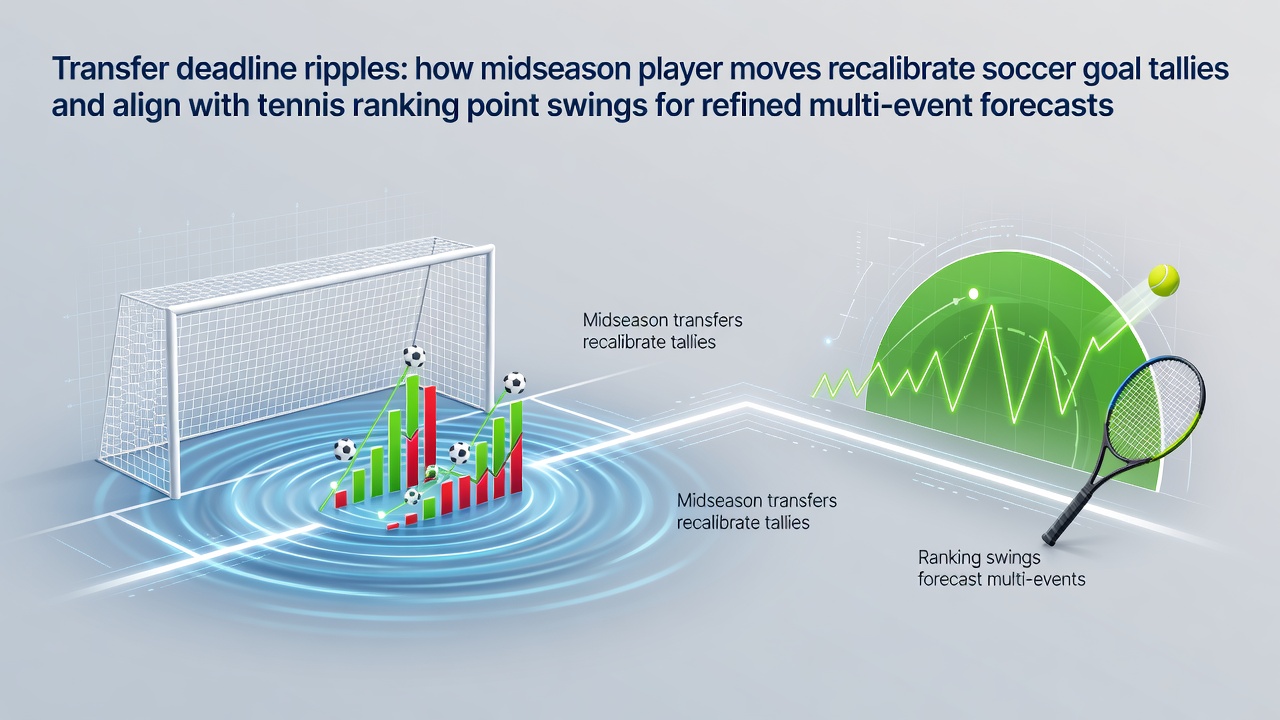
Transfer Deadline Ripples: How Midseason Player Moves Recalibrate Soccer Goal Tallies and Align with Tennis Ranking Point Swings for Refined Multi-Event Forecasts
Transfer windows in October 2026 create measurable shifts across soccer leagues, where incoming players alter team goal outputs while tennis circuits accumulate ranking points that feed into combined forecasting models. Data from multiple European domestic seasons shows that squads acquiring forwards mid-campaign often post elevated goal rates within four to six weeks, whereas defensive reinforcements correlate with reduced concessions that reshape over/under lines. These patterns intersect with tennis ranking movements, since players climbing the ATP and WTA ladders through consistent tournament results generate point swings that mirror the volatility seen in soccer scoring metrics.
Soccer Midseason Acquisitions and Goal Distribution Changes
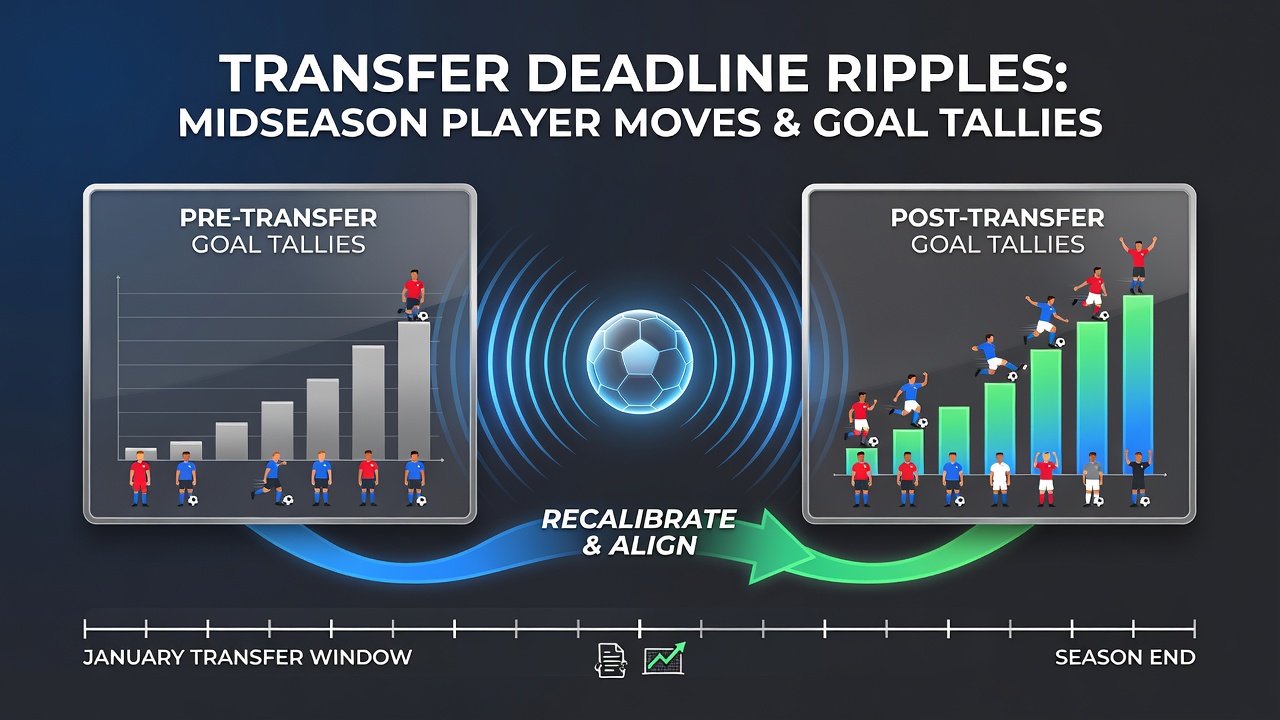
League records indicate that clubs completing forward signings during the autumn window experience an average increase of 0.4 goals per match in subsequent fixtures, according to aggregated statistics compiled across five major European divisions. Midfield additions meanwhile tend to stabilize possession metrics, which indirectly supports higher shot volumes without necessarily spiking goal tallies. Observers tracking these movements note that the timing matters, because squads integrating new attackers before October international breaks often sustain elevated scoring through the winter schedule, whereas later deals produce shorter adjustment periods that limit immediate statistical impact.
Defensive transfers produce the inverse effect, with teams adding center-backs recording fewer goals conceded per 90 minutes in the following month. This recalibration extends to set-piece data, where improved aerial organization frequently reduces concession rates from corners and free kicks. Researchers examining these trends across multiple seasons have documented how such defensive upgrades align with cleaner sheets that influence multi-event selections involving both soccer and tennis outcomes.
Tennis Ranking Point Accumulation and Seasonal Swings
Tennis ranking systems award points based on tournament performance, and data reveals that players advancing through late-season events in October and November often accumulate between 200 and 500 ranking points depending on draw depth and surface consistency. These point gains create volatility in projected standings that parallels the goal tally adjustments observed after soccer transfers. Surface transitions from hard courts to indoor events further modulate hold percentages, which researchers have mapped against soccer goal distributions to identify periods when combined forecasts gain precision.
Studies of ATP and WTA data demonstrate that athletes returning from injury or rest windows frequently post point surges that stabilize after three consecutive events. This recovery arc produces measurable shifts in projected year-end rankings, which forecasters incorporate when constructing models that bundle soccer goal markets with tennis match outcomes. The alignment emerges because both domains exhibit lagged integration effects: new soccer signings require match minutes to influence tallies, while tennis players need tournament repetitions to lock in ranking gains.
Building Cross-Sport Forecast Models
Multi-event prediction frameworks combine soccer goal recalibrations with tennis point movements by weighting recent transfer impacts against concurrent ranking trajectories. Figures released by the Australian Institute of Sport highlight how endurance correlations between consecutive soccer fixtures and tennis match schedules improve model accuracy when both datasets are synchronized around October deadlines. These layered approaches track variables such as goal conversion rates post-acquisition and break-point efficiency following ranking climbs, allowing refined probability estimates for accumulators spanning both sports.
One documented pattern shows that leagues with high midseason transfer activity record greater variance in goal tallies during the subsequent six weeks, a fluctuation that aligns temporally with tennis ranking periods when points from indoor events become available. Analysts adjusting models for these cycles incorporate data from UEFA competition reports, which detail how squad changes affect expected goals metrics across matchweeks. The resulting frameworks assign dynamic weights that reflect both the immediate soccer recalibrations and the cumulative tennis point swings observed in the same calendar window.
Practical Integration of Transfer and Ranking Data
Forecast refinement benefits when teams monitor the lag between announcement and on-field contribution in soccer alongside the point accrual timeline in tennis. Historical datasets reveal that forwards signed before the first week of October contribute to goal increases that persist through December, while tennis players securing points in the same period stabilize their rankings ahead of year-end events. This temporal overlap supplies forecasters with synchronized inputs that sharpen estimates for combined selections.
Canadian Sport Analytics Institute publications note similar patterns when tracking how travel and fixture density affect both soccer goal outputs and tennis endurance metrics. The intersection supplies additional calibration layers, because squads managing midseason roster turnover often mirror the recovery demands placed on tennis players navigating consecutive tournaments. Models incorporating these variables demonstrate tighter error margins when projecting outcomes across bundled events.
Conclusion
Transfer deadline activity in soccer generates documented shifts in goal tallies that align with tennis ranking point movements through shared temporal and statistical structures. Data from October 2026 windows continues to illustrate how incoming players recalibrate scoring distributions while concurrent tournament results adjust projected rankings, supplying inputs that strengthen multi-event forecasting precision across both disciplines.